Tabletop Games
The faithful adaptation, to play on the table with the PLIX projector.
15 published board games, faithfully adapted to play on the table with the PLIX projector. Project the board, gather round and play with your hands — no box to set up and no pieces to lose.
Everyone round the table
Each player plays from their own edge, facing their own cards, just as in the board game.
The rulebook, enforced
Scoring, turn order and the fiddly rules are handled for you, so you can just play.
Never short of players
Most games bring robot opponents for the empty seats, and many have a solo mode.
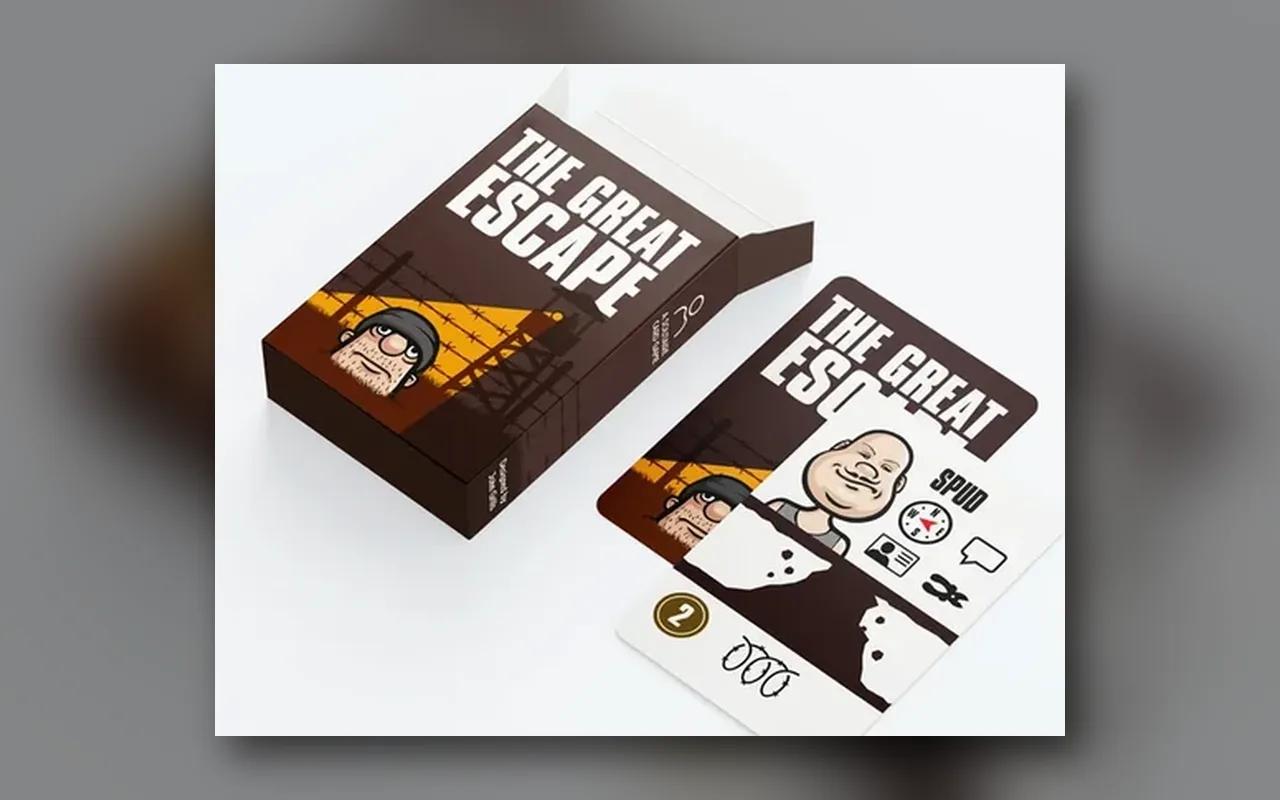
The Great Escape

A faithful adaptation of Zadorf's The Great Escape, a single-player card game played in three stages. As Escape Officer you first dig the three tunnels — Tom, Dick and Harry — laying cards so the sections line up without collapsing or being discovered. Then you get your POWs out through the wire and across country, past the guards. Finally the search parties come, and every man they catch costs you. Played on the table with your hands: no controller, just point at the card you want.
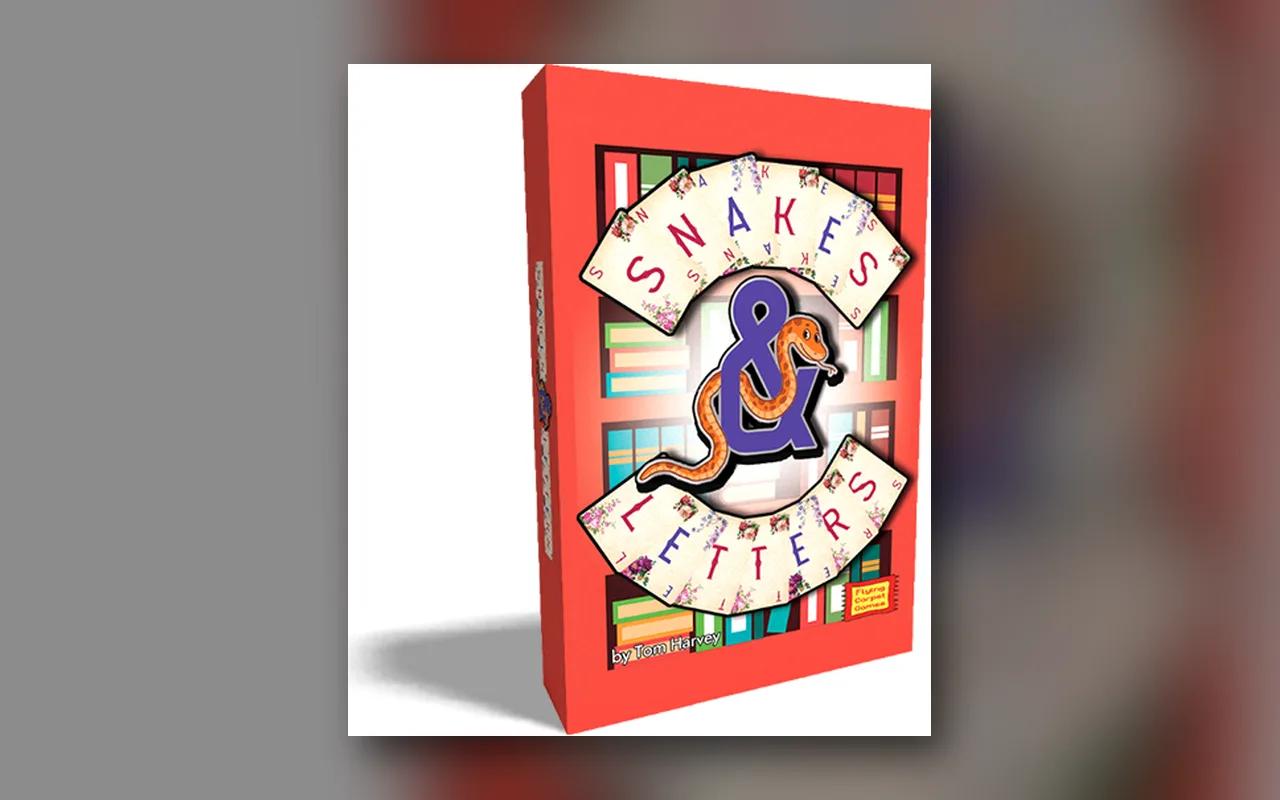
Snakes & Letters
A faithful adaptation of Tom Harvey's Snakes & Letters, published by Flying Carpet Games: a word game for one to eight people, played across the table. Spell words of three cards or more from your hand, with snakes as wild cards, and change a letter of anyone else's word to make it yours. A word only scores if you still hold it when your next turn comes round, so what you leave on the table is what everyone else is coming for. Claimed cards are a point each, two for J, Qu, X and Z. Played with remote control or hands: just hold your hand over the card you want.

Serenity

A faithful adaptation of Actarus Éditions' Serenity, the token-swapping game one to five people play at the same time, each on their own board around the table. Every turn a card names a family, everybody swaps two of their own tokens, and a column that gathers a whole family scores a cube — a second one for putting it in order, and gold for being first to a family or for doing both in one turn. Eighteen turns, and the most cubes wins. On your own it is the rulebook's solo game instead: all twenty-four cards, no objectives, and the board to harmonize before the deck runs out. Played on the table with your hands: no controller, just point at the token you want.
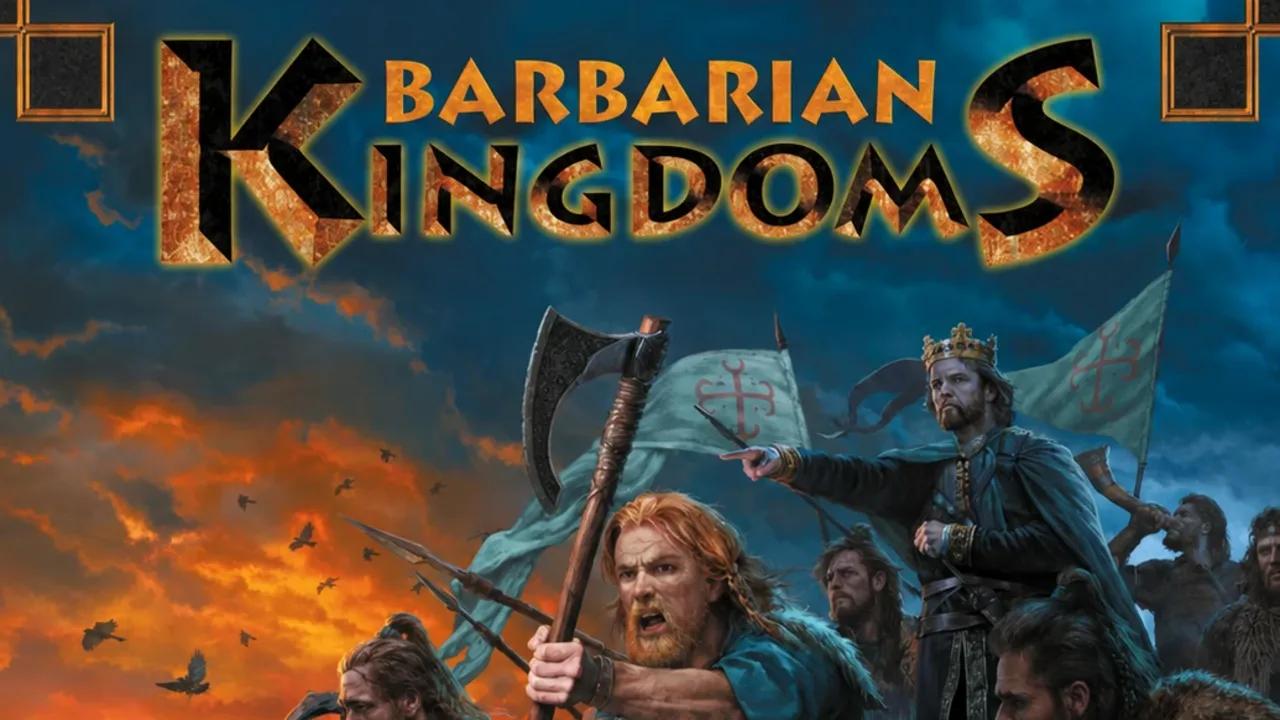
Barbarian Kingdoms

A faithful adaptation of Jester Games' Barbarian Kingdoms, the asymmetric conquest game set in Europe after the fall of the Western Roman Empire. Three to six players each run one of six kingdoms — Huns, Ostrogoths, Vandals, Visigoths, Franks, Saxons — with its own powers, and race to either control seven provinces or kill two rival kings. Manoeuvre warriors, challenge for provinces, bribe your way out of a losing battle, and watch the map change hands. Played on the table with your hands: no controller, just point at what you want.
Command at Sea

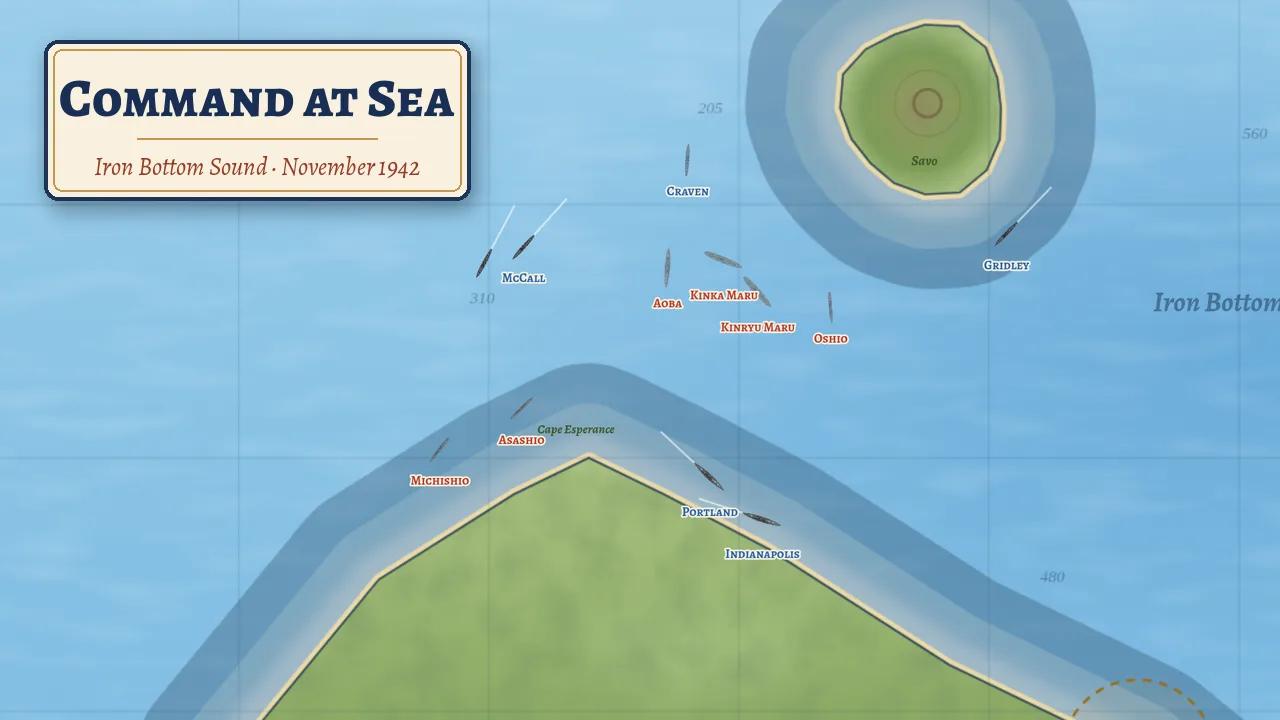
A faithful adaptation of the Admiralty Trilogy Group's Command at Sea, the World War II naval miniatures rules by Larry Bond, Chris Carlson and Ed Kettler, playing the rulebook's Startup Battle: a night in Iron Bottom Sound, late 1942. Two Japanese heavy cruisers come to shell Henderson Field while two transports land troops at Tassafaronga, and two American heavy cruisers and four destroyers try to stop them. Every three minutes you set course, speed, guns and torpedoes, then watch lookouts and radar, gunnery, torpedo spreads, fires and flooding play out under the book's own tables. Command either navy against the computer, or two admirals take turns plotting in secret. Played on the table with your hands: hold your hand over a button until its border fills.
Trench

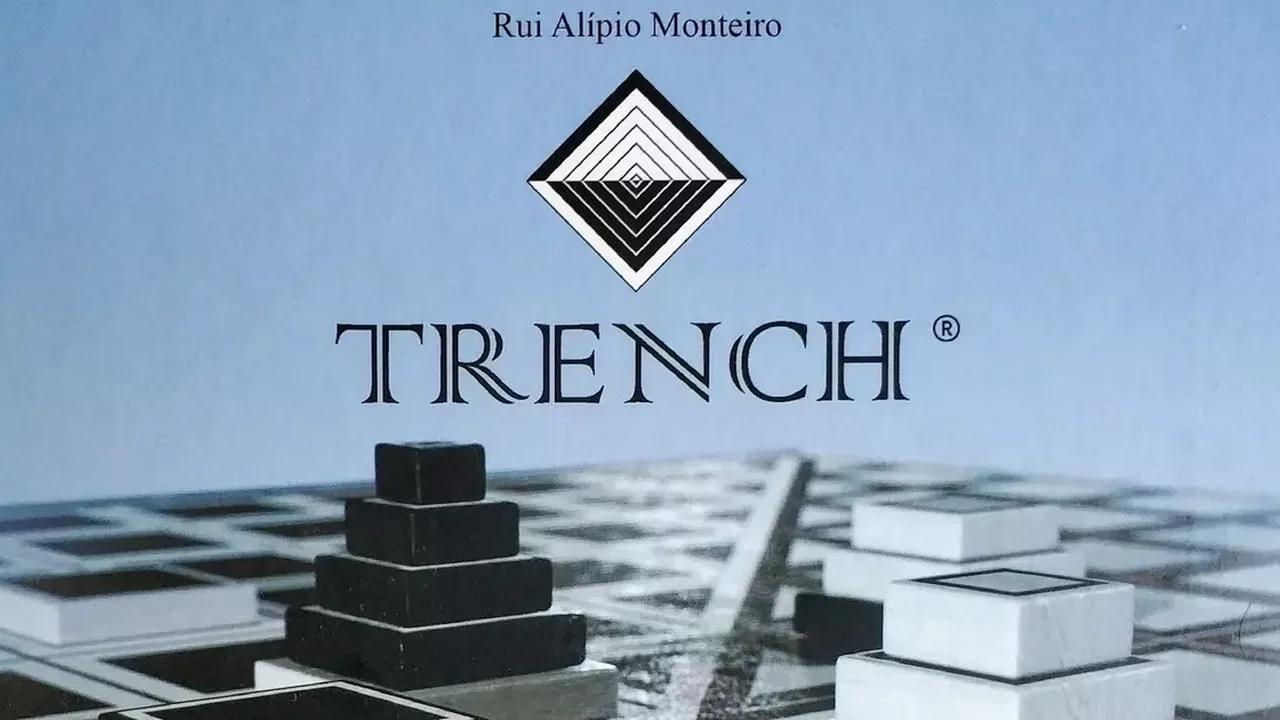
A faithful adaptation of Rui Alípio Monteiro's Trench, published by beOMNI Expression: a strategy game for two, on a diamond board cut in half by the trench that runs corner to corner. Each side has sixteen pieces in five ranks - soldiers, sergeants, captains, colonels and a general - and the higher the rank, the further a piece goes and the more ways it can turn. Taking a piece scores its rank, and the first to 25 points wins. The trench is where the battle turns: a piece standing in it cannot be taken head-on, and from it a piece charges forward through everything in its way. Fifty moves without a capture and the higher score takes the game. Played with remote control or hands: hold your hand over a piece until its border fills, then over where it goes.
Zener

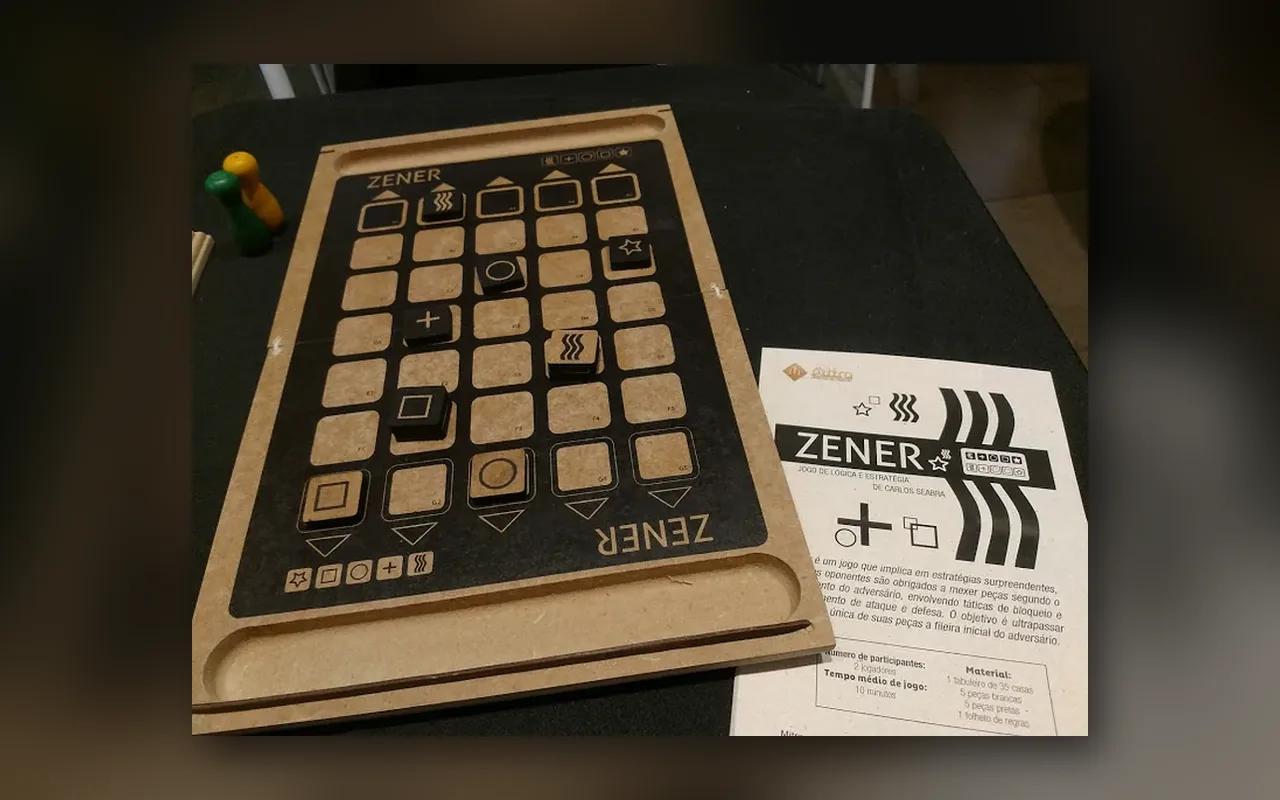
A faithful adaptation of Mitra Jogos' Zener, the logic and strategy game by Carlos Seabra. Five pieces a side, each carrying one of the five Zener symbols, on a board of 35 squares. Every turn is two moves: first the piece with the symbol your opponent just moved, then any other, one square at a time and never diagonally. Land on a piece and it is blocked, out of play until it is uncovered. Win by walking a piece off the far edge, or by leaving your opponent nothing free to move. Three openings - fixed, random, and telepath, where black tries to read how white laid out a hidden row - and a robot opponent at three strengths for when there is only one of you. Played with remote control or hands: point at a piece, then at where it goes.
Inverted Dice

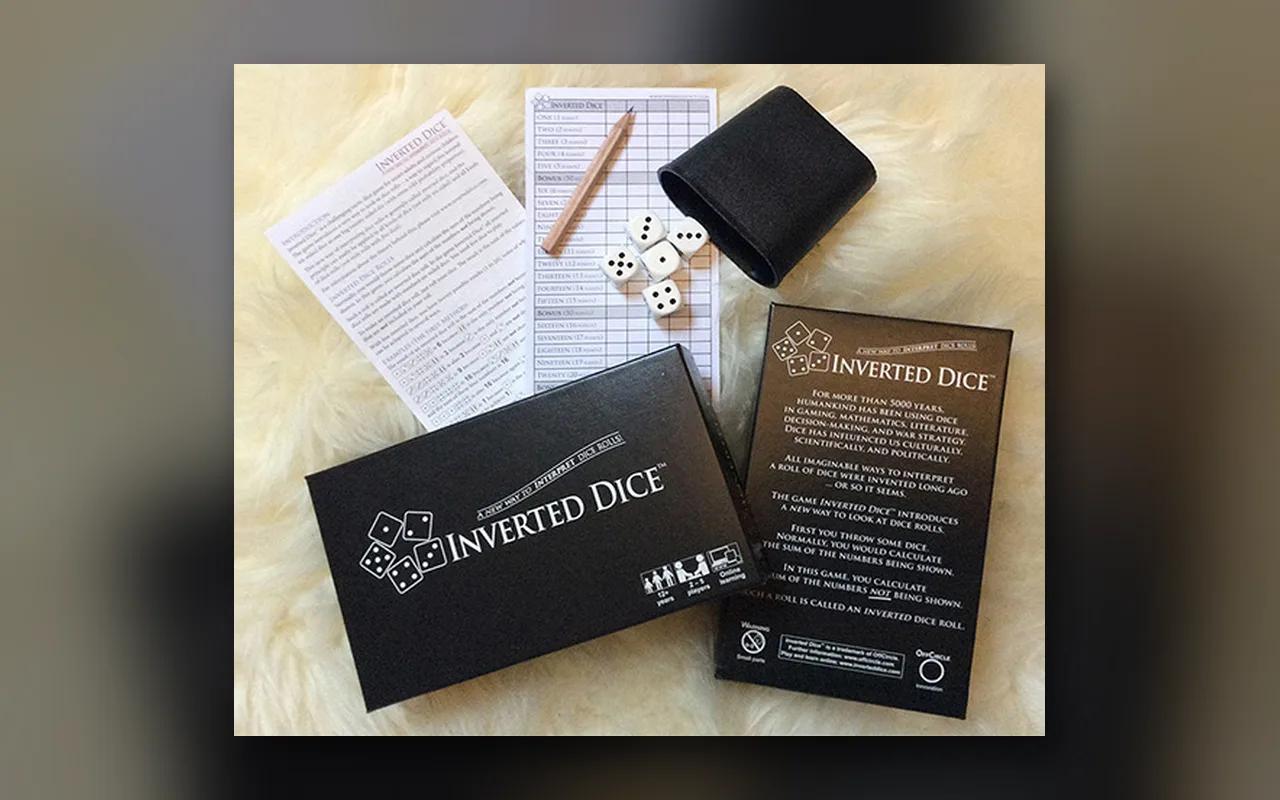
A faithful adaptation of Simon K. Jensen's Inverted Dice, the world's hardest dice game. A roll is worth the sum of the values it does not show: 3 3 4 5 6 has no 1 and no 2 in it, so it is worth 3, and five ordinary dice become one twenty-sided one with famously lopsided odds. Twenty rounds of up to three rolls each: keep the dice you want, throw the rest again, and put the result in its box on your sheet - or give a box up when a turn finds nothing. Three sections pay a bonus of 50 if nothing in them was given up, and 360 is an Inverted Grandmaster. One to four players, each with their own sheet at their own edge of the table, and robots for the empty seats. Played with remote control or hands: hold your hand over a die or a button until its border fills.
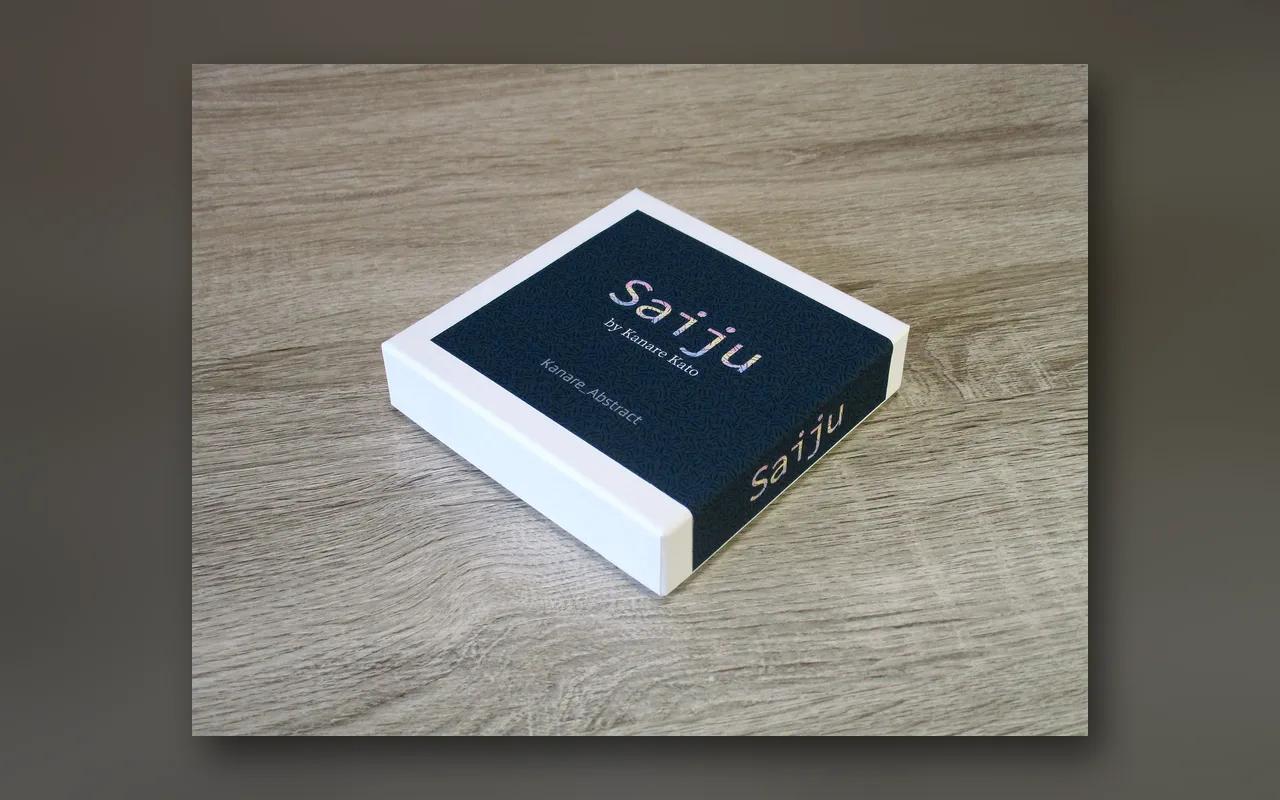
Saiju

A faithful adaptation of Kanare_Abstract's Saiju, the territorial game by Kanare Kato on the Japanese motif of Setsu-Getsu-Ka: snow, moon and flower. Each player is one of the three symbols, but nobody chooses where the pieces go - three black Shadows do. On your turn you lift a Shadow, lay a piece of its symbol in its place in the colour you choose, and leave the Shadow on an empty hex, which is where the next player will have to play. When the board is full, every group of one colour pays whoever has the most of their symbol in it, and double if all three symbols are there. Two or three players, and a robot for when there is only one of you. Played with remote control or hands: hold your hand over a hex or a button until its border fills.
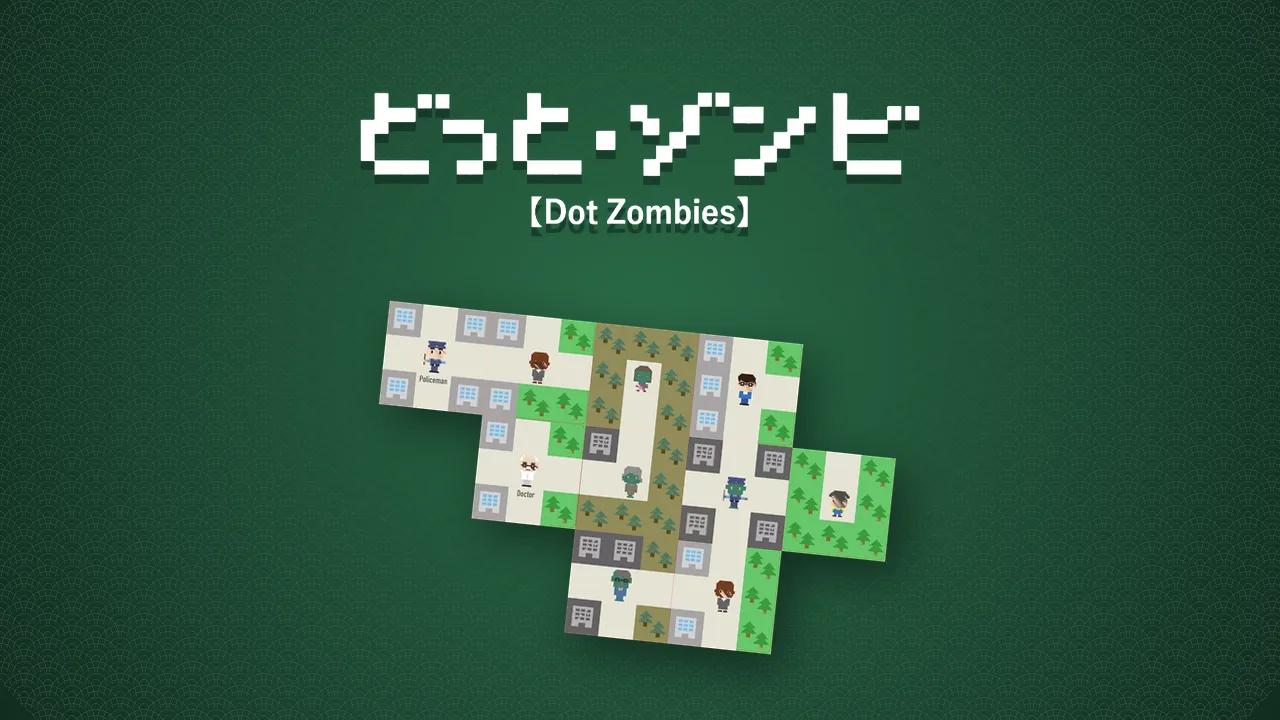
Dot Zombie

A faithful adaptation of Creative House Q's Dot Zombie, a game of tag between Survivors and a Zombie, laid out one card at a time on a seven by seven of streets. Three Survivors are looking for the way out of the city and the fourth player is the Zombie, chasing them across the picture they are building - and nobody chooses who that is: the table draws lots when the cards are dealt. Every card is printed on both sides, a person on one and the same person turned on the other, so the picture changes hands as it grows and a Survivor caught by the Zombie's road turns with it. Four seats always play, and the ones nobody is standing at play themselves. Played on the table with your hands: turn your own cards with the two arrows beside them, and put a hand on the square yours goes on.
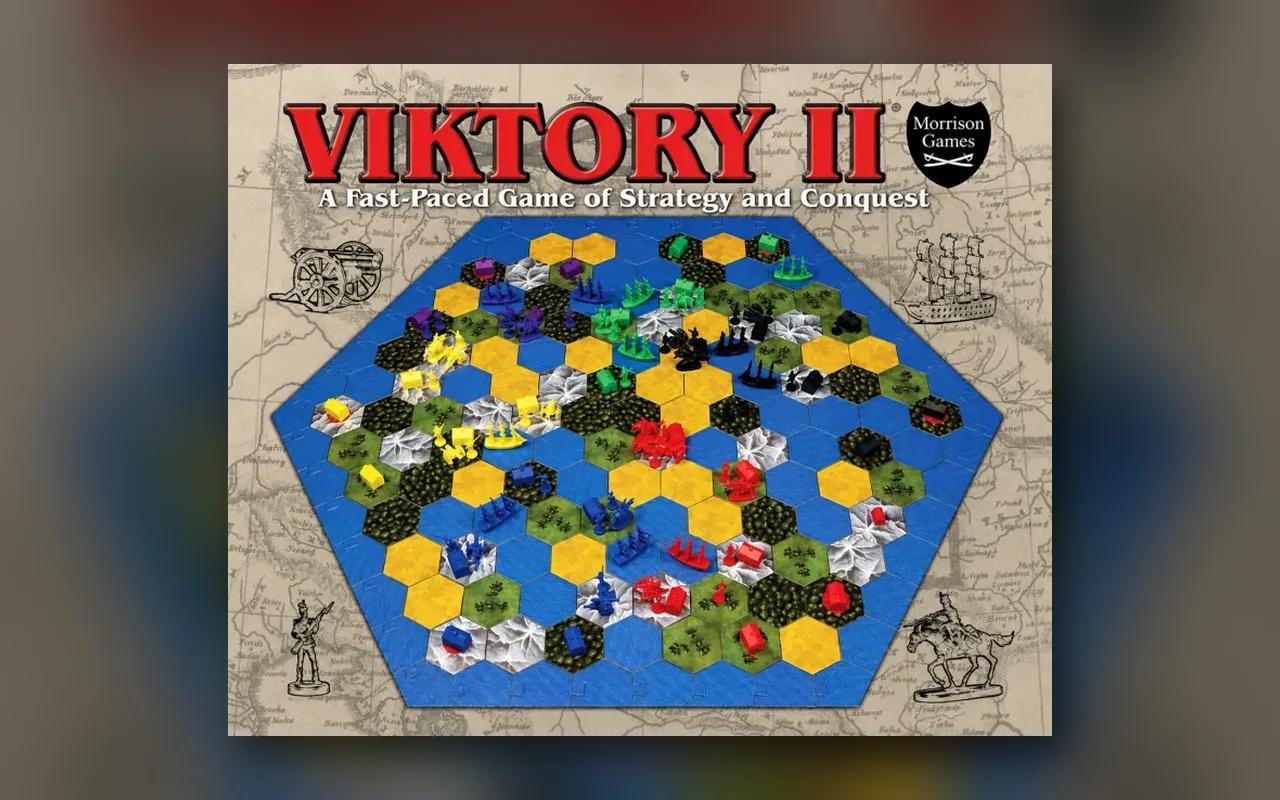
Viktory II

A faithful adaptation of Morrison Games' Viktory II, Peter Morrison's fast-paced game of strategy and conquest. The map starts face down and is laid out as it is explored: found Towns, raise them into Cities, and take the field with Infantry, Cavalry, Artillery and Frigates. Battles are won by combined arms - one die for each kind of unit you bring and for each extra side you attack from, never for sheer numbers. Play on until one empire is left, race to 18 points, end it when the first Capital falls, or set the Doomsday Clock ticking. Two to six players round the table, each at their own edge, with robots for the empty seats. Played with remote control or hands: hold your hand over a hex or a button until its border fills.

Cat Nap

A faithful adaptation of Aerobellum Games' Cat Nap, the tile-laying game for two. Each turn draw two double-sided tiles, play one onto the eight-by-eight Snuggle Zone and drop the other in the litter box - carpet against carpet, cat against a cat of its own colour. A cat is finished when it has one head and one tail. The first cat finished decides who plays orange and who plays purple, and every cat after that earns a tile from the litter box onto your paw. The longer your cats, the more you score. Two players face to face across the table, or one against a robot at three strengths. Played with remote control or hands: hold your hand over a tile, then over the square it goes on.
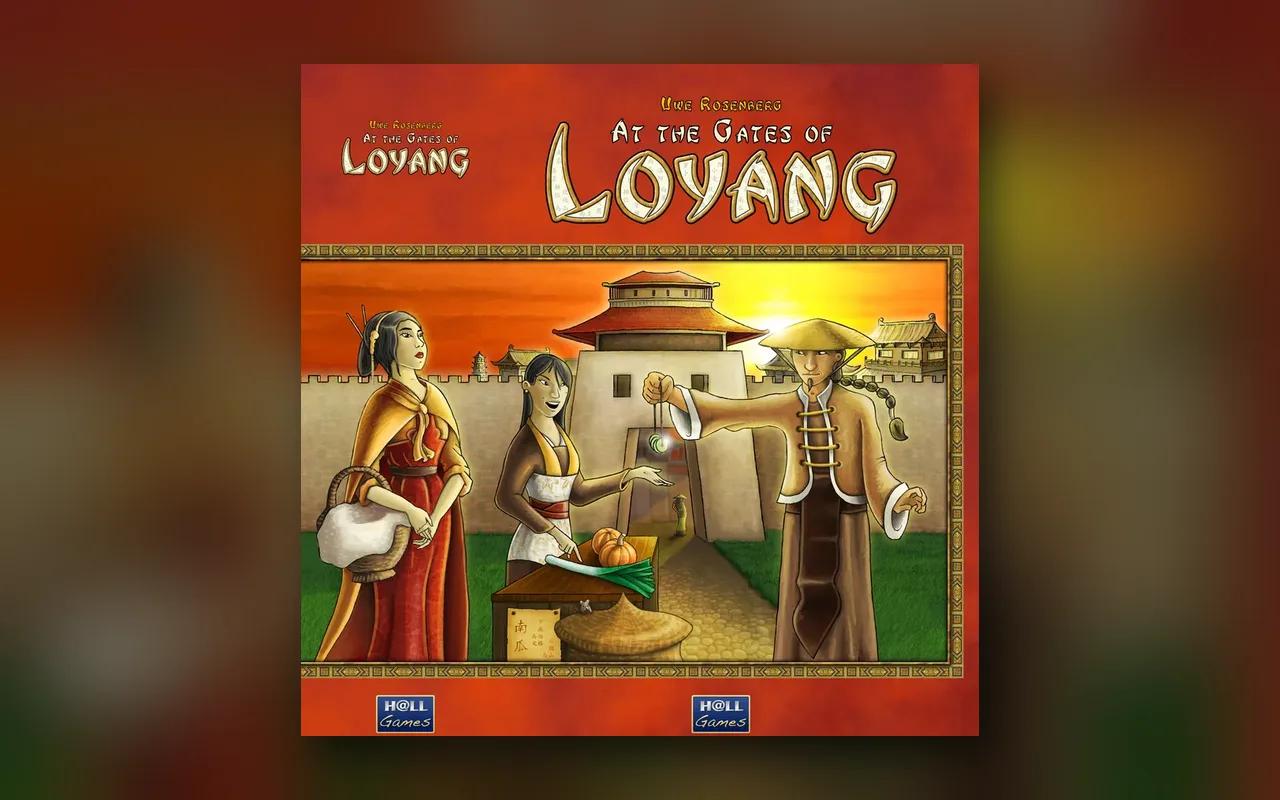
At the Gates of Loyang

A faithful adaptation of Hall Games' At the Gates of Loyang, Uwe Rosenberg's game of farming and trade outside an ancient Chinese city. Over nine rounds you harvest your fields, take cards from the shared Courtyard, sow, buy and sell at your Shop, trade at Market stalls and feed your Regular and Casual customers - then spend what you earn to walk the Path of Prosperity. Whoever gets furthest wins. The whole rulebook is here: the Two-pack, Loans, all twenty Helpers, and the rulebook's own solo game. One to four players round the table, each at their own corner, with robots for the empty seats, and a spoken HOW TO PLAY tour for newcomers. Played with your hands: hold your hand over a card, a field or a button until its border fills.
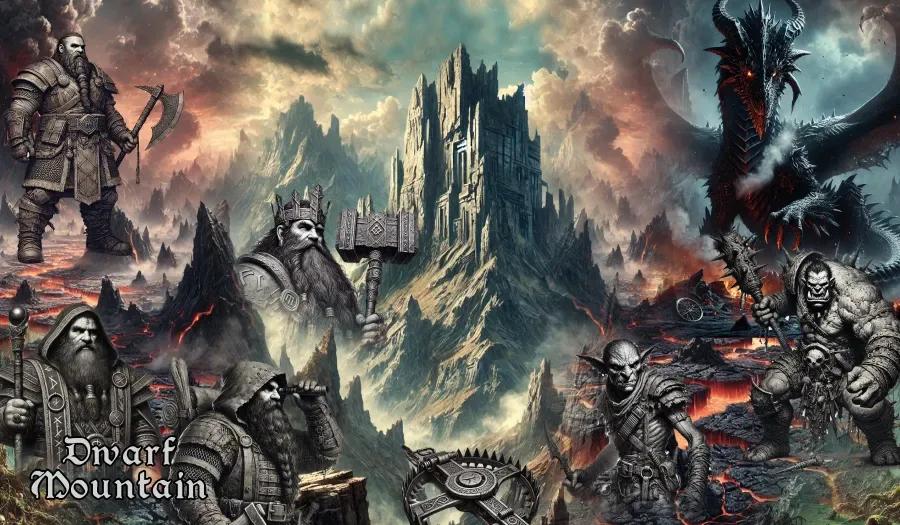
Dwarf Mountain

A faithful adaptation of Venator Ludi's Dwarf Mountain, a single-player card game about building a dwarf kingdom and holding it until the enemies run out. Every turn you draw three cards from the Dwarf deck and build two of them: Dwellings, Workshops, Shrines, Traps, Warriors and the Supplies that put damaged cards right. Then the Enemy deck turns over a Goblin, an Ogre or a Curse, and you pay its Toughness by giving up cards from your Kingdom - a card worth two can turn sideways and pay one. Grow too big and the Dragon wakes. The more Dwellings still standing at the end, the higher your score. A spoken HOW TO PLAY tour walks newcomers round the table. Played with remote control or hands: hold your hand over a card or a button until its border fills.
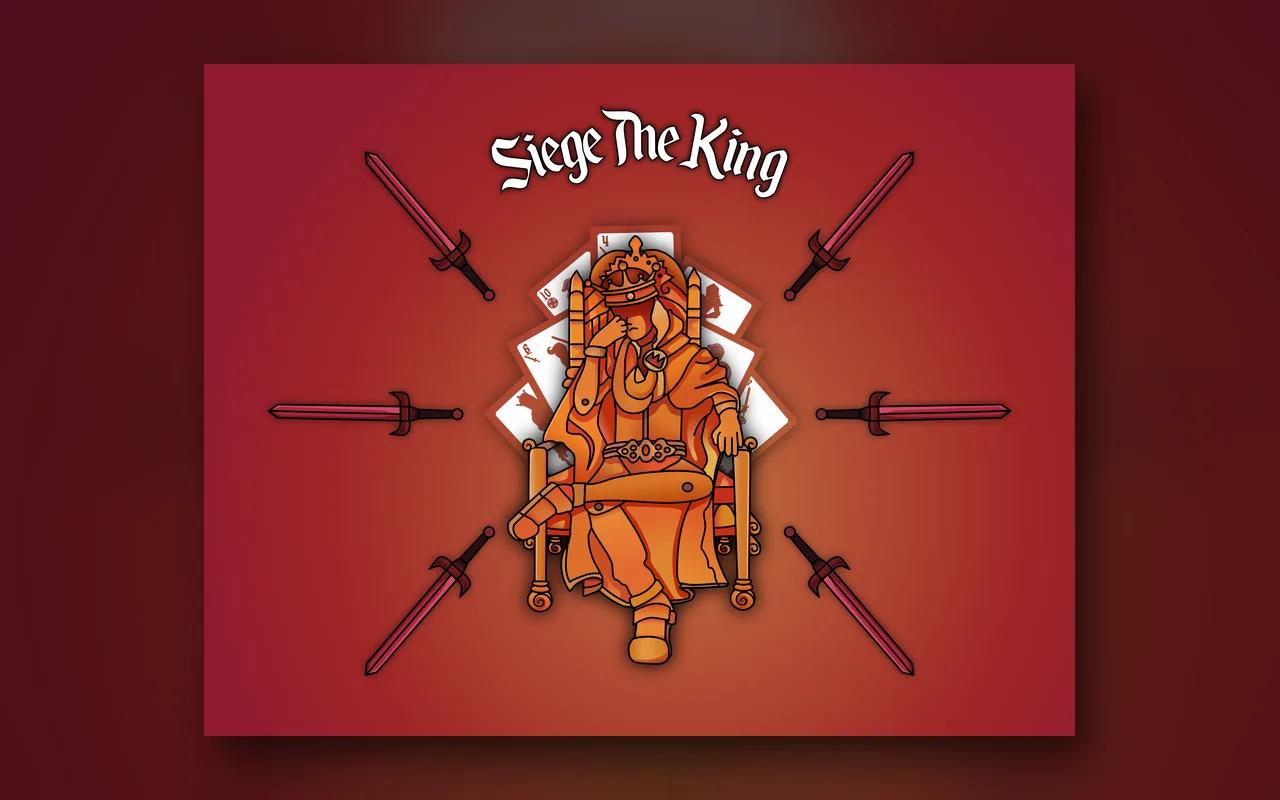
Siege The King
Game Easy StudiosA faithful adaptation of Game Easy Studios' Siege The King, a duel of hidden castles for two. Each player builds three face-down castles - one King and two Thrones - and nobody, not even their owner, knows which one hides the King. Lay Defenders on your own columns and Attackers on your rival's: a column that reaches zero turns its castle over. A Throne falls and the siege goes on; find the King and the game is yours. Two players face to face across the table, or one against the robot, with a spoken HOW TO PLAY tour for newcomers. Played with remote control or hands: turn up a card from your hand with the eye, then put your hand on the column it goes on.
Are you a board game publisher?
We bring published tabletop games to PLIX and share the revenue with their publishers. Write to us and tell us about your game.
Contact us